
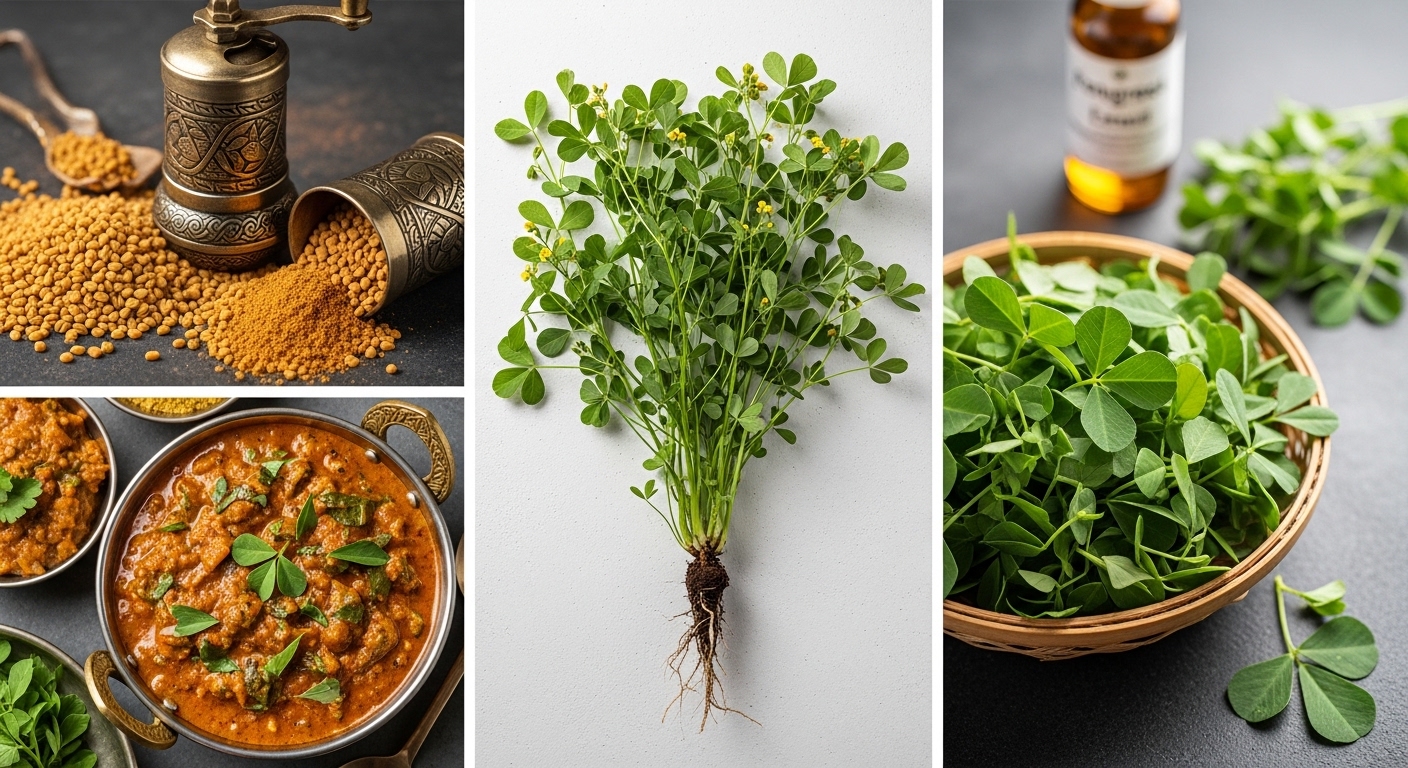
Foenegriek, also known as fenugreek, is a remarkable herb that has captured the attention of culinary enthusiasts and health-conscious individuals alike. With its roots tracing back to ancient civilizations in the Mediterranean and Asia, this versatile spice offers more than just flavor; it comes packed with an array of benefits. From enhancing dishes to boosting your well-being, Foenegriek deserves a spot in your pantry. Whether you’re whipping up traditional recipes or experimenting with modern cuisine, let’s explore all that this unique herb has to offer!
Historical and Cultural Significance of Foenegriek
Foenegriek, known as fenugreek in English, has roots that stretch deep into history. Ancient civilizations revered this herb for its culinary and medicinal properties. Archaeological findings suggest it was used in Egypt over 3,000 years ago.
In the Mediterranean region, foenegriek symbolized prosperity and health. Its seeds were often found in tombs alongside food offerings to ensure a bountiful afterlife.
Asian cultures also embraced foenegriek, incorporating it into their traditional medicine systems. Ayurvedic texts highlight its ability to balance bodily functions and promote overall well-being.
Throughout centuries, regional variations emerged in how people utilized this herb. From sacred rituals to everyday meals, foenegriek became woven into the cultural fabric of various societies across continents.
Nutritional Benefits of Foenegriek
Foenegriek, also known as fenugreek, is a powerhouse of nutrition. Packed with vitamins and minerals, it offers a wide range of health benefits.
This herb is rich in dietary fiber, which aids digestion and promotes gut health. Just a small amount can help you feel fuller for longer.
It contains essential vitamins like vitamin C and B6. These nutrients boost immune function and enhance metabolism.
Minerals such as iron and magnesium play crucial roles too. They support healthy blood circulation and muscle function.
Moreover, foenegriek seeds are known to have anti-inflammatory properties. This makes them beneficial for overall well-being.
With its impressive nutrient profile, incorporating foenegriek into your diet can be an excellent choice for anyone seeking to improve their health naturally.
Culinary Uses of Foenegriek in Mediterranean Cuisine
Foenegriek, or fenugreek, adds a distinct flavor to Mediterranean dishes. Its slightly bitter yet sweet notes can elevate various recipes.
In North African cuisine, it’s often used in spice blends like ras el hanout. This aromatic combination brings depth to tagines and couscous salads.
In Greek cooking, foenegriek seeds find their place in bread making. They enhance the dough with a nutty aroma that pairs well with olive oil and herbs.
Italian chefs occasionally incorporate foenegriek leaves into pesto or sauces for an unexpected twist on classic flavors. The herb’s versatility allows it to shine alongside other Mediterranean staples like tomatoes and feta cheese.
This unique spice also plays a role in Middle Eastern fare, seasoning meats and legumes beautifully. Whether you’re exploring traditional recipes or experimenting with modern twists, foenegriek adds character to every dish it graces.
Incorporating Foenegriek into Asian Dishes
Foenegriek, known as fenugreek in many parts of the world, adds a distinctive flavor to various Asian cuisines. Its slightly bitter and nutty profile enhances dishes while delivering an aromatic touch.
In Indian cooking, whole seeds are often used in spice blends like panch phoron or added to curries and dals. The leaves can be incorporated into sabzis or enjoyed fresh in salads.
Moving eastward, foenegriek finds its place in Middle Eastern dishes too. It pairs perfectly with meats and grains, enriching stews and pilafs with depth.
For those exploring Southeast Asian flavors, try using ground foenegriek in marinades for grilled meats or stir-fries. This herb complements chili pastes beautifully while adding complexity without overpowering other ingredients.
Experimenting with this versatile spice opens up a world of culinary possibilities across different cultures.
Medicinal Properties and Traditional Uses of Foenegriek
Foenegriek, also known as fenugreek, has a rich history in traditional medicine across many cultures. Its seeds have been utilized for centuries to address various ailments.
In Ayurvedic practices, foenegriek is revered for its ability to balance doshas and support digestive health. The seeds are often brewed into teas or incorporated into herbal remedies aimed at alleviating inflammation and boosting metabolism.
Middle Eastern traditions highlight its use as a natural remedy for respiratory issues and skin conditions. The anti-inflammatory properties of foenegriek can help soothe irritation when applied topically.
Moreover, modern research supports these claims, revealing that foenegriek may aid in regulating blood sugar levels and enhancing lactation in breastfeeding mothers. This versatile herb continues to be an integral part of holistic healing approaches today.
How to Grow and Harvest Your Own Foenegriek
Growing your own foenegriek, or fenugreek, is a rewarding endeavor. Start by selecting a sunny spot in your garden or using pots on a balcony. Foenegriek loves warmth and well-drained soil.
Plant the seeds about half an inch deep, spaced around 4 to 6 inches apart. Water them lightly but consistently; too much moisture can lead to rot.
As they sprout, thin out weaker seedlings to promote healthier growth. In approximately 3 months, you’ll see lush green leaves that indicate it’s time for harvest.
To collect the seeds, allow the pods to dry on the plant until they turn brown and brittle. Then gently shake them into a container or rub them between your hands to release those aromatic seeds.
With just a little care and attention, you’ll have fresh foenegriek ready for culinary exploration at home!
Conclusion:
Foenegriek, with its rich history and diverse applications, has firmly established itself as a treasured herb across various cultures. From the bustling spice markets of Asia to Mediterranean kitchens, this versatile ingredient offers both flavor and health benefits.
Its nutritional profile is impressive—packed with vitamins and minerals that promote overall well-being. The culinary possibilities are endless; whether you’re enhancing a traditional dish or experimenting with new recipes, foenegriek adds depth and warmth to any meal.
Moreover, its medicinal properties have been recognized for centuries in different traditions, making it not just an ingredient but also a remedy for many ailments. For those interested in gardening, cultivating your own foenegriek can be rewarding and beneficial.
Discovering this herb opens doors to countless dishes and health advantages. Whether you’re using it in cooking or exploring its historic significance, foenegriek truly embodies versatility and richness. It’s more than just an ingredient—it’s a journey through flavors, cultures, and wellness practices waiting to be explored.