
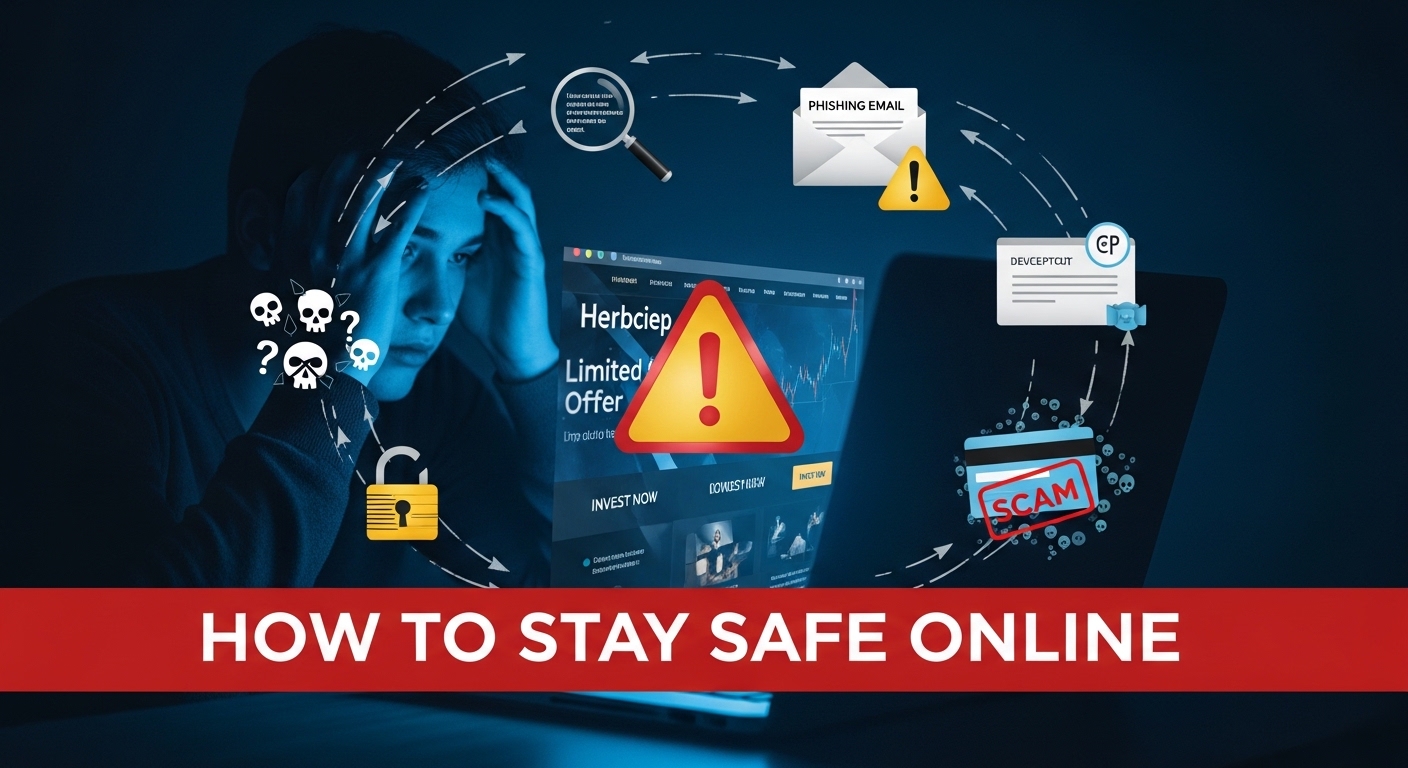
The internet has made it easier than ever to access health products, herbal remedies, and wellness solutions from around the world. While this convenience has benefited millions of consumers, it has also created fertile ground for scams. One term that has recently surfaced in online discussions is the Herbciep Scam—a label increasingly associated with suspicious products, deceptive marketing tactics, and potential fraud.
Although “Herbciep” may sound like a legitimate herbal brand, there is little to no verified information confirming its authenticity. Instead, it has become a catch-all term used to describe questionable online health products and scam operations. Understanding how this scam works—and how to protect yourself—is essential in today’s digital marketplace.
What Is the Herbciep Scam?
The Herbciep Scam does not refer to a single company or product. Rather, it represents a pattern of fraudulent activity typically involving:
- Fake herbal supplements
- Misleading health claims
- Deceptive e-commerce websites
Scammers often create a brand name like “Herbciep” to give the impression of legitimacy. They use professional-looking websites and marketing strategies to convince consumers that their product is trustworthy, even though it lacks proper certification or scientific backing.
In many cases, these scams target individuals looking for quick health solutions, such as weight loss, improved immunity, or cures for chronic conditions.
Why Herbal Product Scams Are Increasing
The global shift toward natural and alternative medicine has made herbal products extremely popular. Consumers are increasingly drawn to “organic,” “natural,” and “chemical-free” solutions. Unfortunately, scammers exploit this trend.
There are several reasons why scams like Herbciep are on the rise:
1. High Demand for Quick Fixes
People often seek fast solutions to health problems, making them vulnerable to exaggerated claims.
2. Lack of Regulation
Online marketplaces are not always strictly regulated, allowing fake products to be sold easily.
3. Easy Website Creation
Modern tools make it simple for scammers to build convincing websites in a short time.
4. Global Reach
Scammers can operate internationally, making it harder for authorities to track them.
How the Herbciep Scam Works
Although the details may vary, most Herbciep-style scams follow a similar structure:
Step 1: Eye-Catching Ads
You may encounter ads on social media, search engines, or websites promising:
- Rapid weight loss
- Instant detoxification
- Cure for serious illnesses
These ads often include dramatic visuals and emotional messaging.
Step 2: Redirect to a Fake Website
Clicking the ad leads to a polished website featuring:
- Fake testimonials
- Stock images posing as real customers
- Fabricated expert endorsements
The site is designed to look credible and trustworthy.
Step 3: Limited-Time Offers
Scammers create urgency using tactics like:
- Countdown timers
- “Only a few items left” alerts
- Exclusive discounts
This pressure encourages impulsive purchases.
Step 4: Payment and Deception
After payment, several outcomes are possible:
- The product never arrives
- A low-quality or unrelated item is delivered
- Hidden subscription fees are activated
In many cases, customer support is nonexistent.
Key Warning Signs of the Herbciep Scam
Recognizing red flags can help you avoid falling victim. Here are the most common signs:
Unrealistic Claims
If a product claims to cure multiple diseases or deliver instant results, it is likely fraudulent.
No Verified Information
Legitimate companies provide clear details about:
- Ingredients
- Manufacturing processes
- Certifications
Scam sites often lack this transparency.
Fake Reviews
Be cautious of overly positive reviews that seem generic or repetitive.
Poor Contact Options
A missing phone number, email, or physical address is a major warning sign.
Suspicious Payment Methods
Requests for unusual payment methods—such as direct transfers or cryptocurrency—should raise concern.
Financial Risks Involved
The most immediate danger of the Herbciep Scam is financial loss. Victims may:
- Pay for products that never arrive
- Be charged hidden fees
- Lose money through recurring subscriptions
In some cases, scammers may also gain access to sensitive financial information, leading to further fraud.
Health Risks to Consider
Beyond financial harm, Herbciep-style scams can pose serious health risks:
Unknown Ingredients
Products may contain untested or harmful substances.
Lack of Regulation
Without proper oversight, there is no guarantee of safety or effectiveness.
Delayed Medical Treatment
Relying on fake remedies may prevent individuals from seeking legitimate medical care.
These risks make it critical to approach any unverified health product with caution.
Psychological Tactics Used by Scammers
Understanding how scammers manipulate consumers can help you stay alert:
Emotional Appeals
Ads often target fears and insecurities, such as health concerns or body image.
Authority Illusion
Fake endorsements from “doctors” or “experts” create a false sense of trust.
Scarcity and Urgency
Limited-time offers push users to act quickly without thinking.
Social Proof
Fake testimonials make it seem like many people have benefited from the product.
How to Stay Safe Online
Protecting yourself from scams like Herbciep requires awareness and smart decision-making:
1. Do Your Research
Search for independent reviews and verify the company’s reputation.
2. Check for Certifications
Look for approval from recognized health authorities or regulatory bodies.
3. Avoid Impulse Buying
Take time to evaluate the product before making a purchase.
4. Use Secure Payment Methods
Credit cards and trusted platforms offer better protection than direct transfers.
5. Verify Website Security
Ensure the site uses HTTPS and has clear contact information.
6. Consult a Professional
Always seek advice from a qualified healthcare provider before trying new supplements.
What to Do If You’ve Been Scammed
If you suspect you’ve fallen victim to a Herbciep Scam, act quickly:
- Contact your bank or payment provider to stop transactions
- Report the website to consumer protection agencies
- Change your passwords and secure your accounts
- Share your experience to warn others
Taking immediate action can reduce damage and help prevent future scams.
The Broader Impact of Online Scams
Herbciep Scam is just one example of a growing global issue. Online fraud is becoming more sophisticated, affecting millions of people each year. These scams not only cause financial losses but also erode trust in legitimate online businesses.
As technology evolves, scammers continue to adapt their methods. This makes consumer education and awareness more important than ever.
Conclusion
The Herbciep Scam highlights the darker side of the digital marketplace. While the internet offers incredible convenience and access to health products, it also requires users to remain vigilant.
By understanding the warning signs, recognizing deceptive tactics, and taking preventive measures, you can protect yourself from falling victim to such scams. Always remember: if a product promises extraordinary results with little evidence, it is worth questioning.