
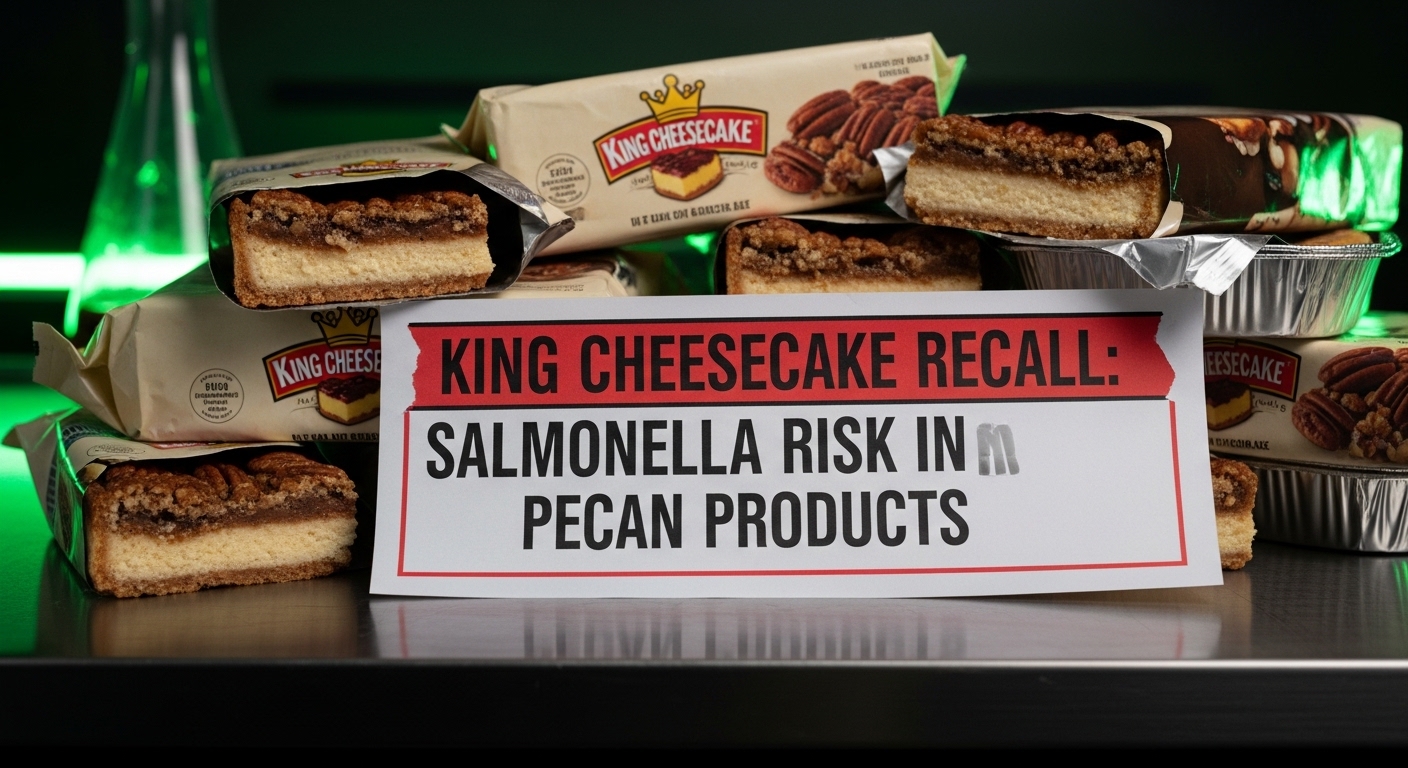
In the world of desserts, cheesecake often reigns supreme. Its creamy texture and rich flavors can make any occasion feel special. Unfortunately, a recent recall involving King Cheesecake has sparked concern among consumers due to potential salmonella contamination in pecan products. This unexpected news highlights the importance of food safety and staying informed about what we put on our plates. As dessert lovers, it’s essential to understand how this recall affects us and what steps we can take for our health and well-being. Let’s dive into the details surrounding the King Cheesecake recall and equip ourselves with knowledge that keeps us safe while enjoying our favorite treats.
Overview of the King Cheesecake Recall
The recent King Cheesecake recall has raised alarms for dessert enthusiasts everywhere. This voluntary action comes after concerns emerged about potential salmonella contamination linked to their pecan products.
King Cheesecake, a popular name in the dessert industry, is known for its delicious offerings and commitment to quality. However, safety issues can arise even with the best intentions. The company’s decision to recall certain items underscores their dedication to consumer health.
According to reports from food safety authorities, specific batches of pecans used in various cheesecake recipes tested positive for salmonella. This bacterium poses serious health risks, particularly for vulnerable populations.
As news spreads about this significant recall, consumers are urged to check their pantry and stay informed about which products might be affected. Understanding the scope of this issue is crucial as we navigate our choices during these uncertain times in food safety.
What is Salmonella and How Does it Affect Consumers?
Salmonella is a type of bacteria that can lead to foodborne illnesses. It often lurks in undercooked or contaminated foods, especially meats and eggs. However, it can also find its way into products like nuts and dairy.
When consumed, Salmonella can cause symptoms such as diarrhea, fever, abdominal cramps, and vomiting. These signs typically appear six hours to six days after exposure. While most healthy individuals recover without treatment within a week, young children and those with weakened immune systems are at greater risk for severe complications.
The impact of Salmonella extends beyond physical health; it also raises concerns about safety and trust in food sources. A recall like the King Cheesecake Recall emphasizes the need for consumers to stay vigilant when purchasing their favorite treats. Awareness plays a crucial role in preventing illness from contaminated products.
Which Products are Affected by the Recall?
The King Cheesecake recall specifically targets a selection of pecan products. These items were found to contain potentially contaminated ingredients linked to salmonella.
Consumers should be particularly wary if they have purchased any varieties labeled with certain lot numbers. The affected products often include cheesecakes and other desserts featuring pecans as a key ingredient.
It’s crucial for shoppers to check their pantry or fridge promptly. If you find an item matching the recalled details, it’s best not to consume it.
King Cheesecake is actively working to provide clarity on which specific flavors and batches are involved in this precautionary measure. Keeping informed will help ensure that you’re aware of what may pose a risk.
What to Do If You Have Purchased a Recalled Product
If you’ve purchased a product included in the King Cheesecake Recall, the first step is to stop consuming it immediately. Even if you haven’t noticed any symptoms, it’s better to be safe than sorry.
Check your pantry or refrigerator for any packages that might be affected. Look for specific details on packaging like lot numbers and expiration dates mentioned in recall announcements.
Next, return the recalled items to where you bought them for a full refund. Many retailers are accommodating when it comes to recalls.
If you’re experiencing symptoms like nausea, diarrhea, or fever after consuming these products, seek medical advice promptly. Keep track of your symptoms and inform healthcare professionals about the consumption of potentially contaminated items.
Stay vigilant with food safety practices moving forward. Awareness can go a long way in keeping you healthy and secure from potential risks.
Tips for Avoiding Foodborne Illnesses and Staying Safe
To avoid foodborne illnesses, start by practicing good hygiene. Wash your hands thoroughly with soap and water before handling food. This simple step can significantly reduce contamination risks.
Next, ensure proper cooking temperatures for meats, poultry, and eggs. Use a food thermometer to check that everything reaches safe internal temperatures. Undercooked foods are prime candidates for harmful bacteria.
Storage is equally important. Keep your refrigerator at 40°F (4°C) or below to slow bacterial growth. Always store perishable items promptly after use.
When shopping, inspect packaging dates and look for any signs of damage on products. Choose fresh ingredients whenever possible to minimize risks associated with spoiled foods.
Stay informed about recalls like the King Cheesecake recall and other safety alerts in your area. Knowledge empowers you to make safer choices at home and when dining out.
Importance of Staying Informed About Food Recalls
Staying informed about food recalls is crucial for consumer safety. Foodborne illness can lead to serious health issues and even hospitalization. When companies issue recalls, they do so to protect customers from potential harm.
By following reliable news sources, government updates, and company announcements, you can keep yourself and your family safe from contaminated products.
Being proactive also means checking the labels of items in your pantry regularly. Awareness helps ensure that you’re not consuming anything that could pose a risk to your health.
Remember that knowledge is power; staying updated on recalls like the King Cheesecake Recall empowers you to make safer choices with every meal. Always prioritize your well-being by keeping an eye out for any notices regarding food safety in the market.