
In modern construction, manufacturing, and industrial environments, protecting materials from damage is a top priority. Infrastructure, machinery, and equipment are constantly exposed to harsh conditions such as moisture, chemicals, temperature changes, and mechanical stress. Without proper protection, these factors can lead to corrosion, wear, and costly maintenance. This is where advanced coating technologies come into play.
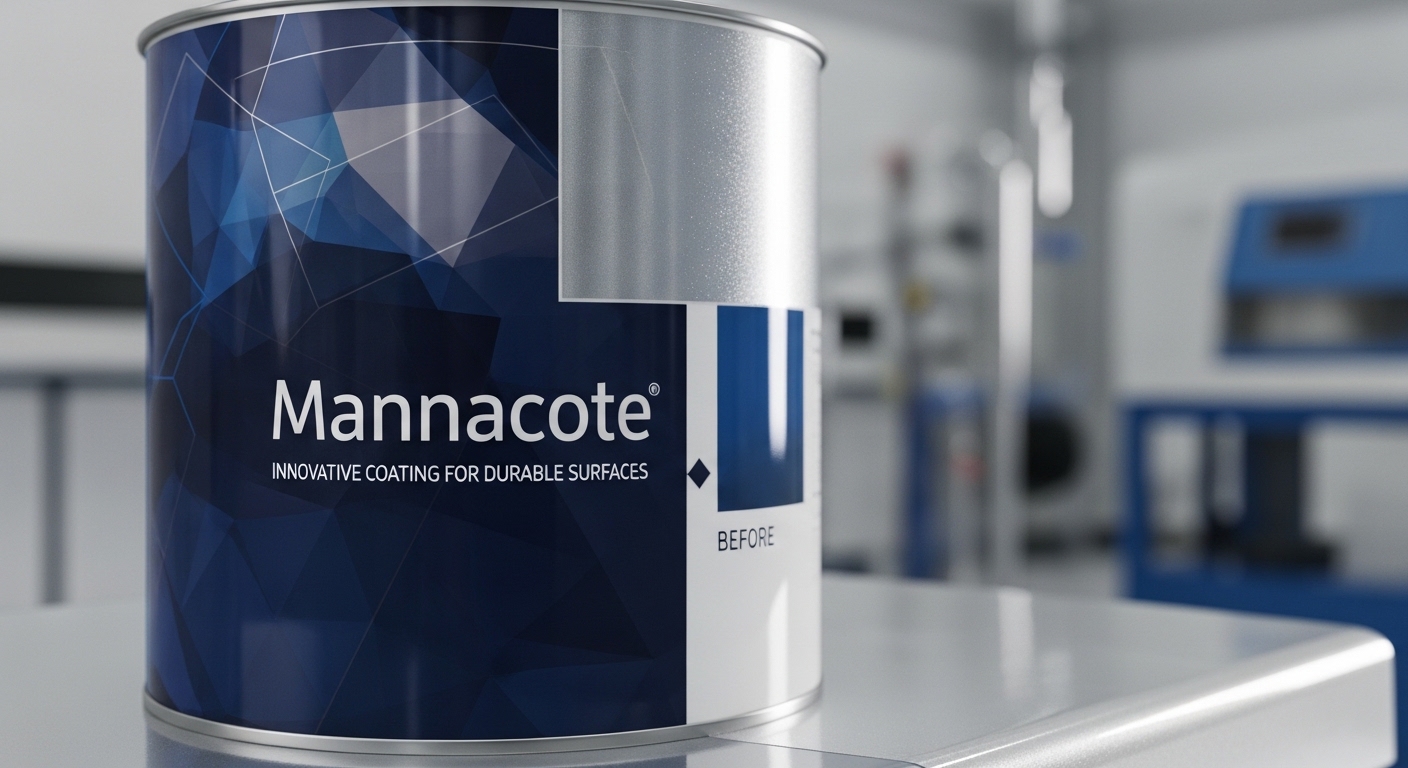
One innovative solution that has gained attention in recent years is Mannacote, a high-performance protective coating designed to enhance durability and extend the lifespan of surfaces. Mannacote coatings are engineered to create a strong barrier against environmental damage while maintaining structural integrity and visual appeal.
From industrial facilities and construction projects to agriculture and packaging, Mannacote technology is transforming the way surfaces are protected. This article explores the concept of Mannacote, its features, benefits, applications, and why it is becoming an essential tool in modern material protection strategies.
Understanding Mannacote Coating Technology
Mannacote refers to a category of advanced protective coatings designed to shield surfaces from corrosion, weathering, chemical exposure, and physical damage. Typically applied as a liquid layer, the coating forms a durable film that seals and protects the underlying material.
Once applied, the coating bonds tightly with the surface and prevents harmful external elements such as oxygen, water, salt, and chemicals from coming into direct contact with the material. This protective layer significantly reduces the risk of deterioration and structural failure over time.
Mannacote coatings can be used on a wide variety of surfaces, including:
-
Metal
-
Concrete
-
Wood
-
Composite materials
Because of this versatility, Mannacote has become a popular solution across industries where durability and reliability are critical.
The Evolution of Protective Coatings
Protective coatings have existed for centuries. Early civilizations used natural oils, waxes, and resins to protect wood and metal from environmental damage. Over time, advancements in chemistry and materials science led to the development of paints, epoxies, and synthetic coatings.
However, traditional coatings often faced limitations such as short lifespan, environmental toxicity, or poor resistance to extreme conditions. As industries demanded stronger and more sustainable solutions, innovative coating technologies like Mannacote emerged.
Modern Mannacote formulations incorporate advanced polymers and resins that improve adhesion, flexibility, and resistance to environmental stress. These innovations have allowed coatings to last longer and perform better in challenging environments.
Today, Mannacote represents the next generation of protective coatings designed for long-term performance and sustainability.
Key Features of Mannacote
1. Superior Corrosion Resistance
One of the most significant advantages of Mannacote coatings is their ability to prevent corrosion. Metal surfaces, particularly those exposed to moisture and oxygen, are highly susceptible to rust. Mannacote forms a protective barrier that blocks these elements, reducing corrosion risks significantly.
This feature makes it particularly valuable for industries such as construction, marine engineering, and manufacturing.
2. High Durability
Durability is one of the defining characteristics of Mannacote coatings. The protective layer is designed to withstand mechanical stress, abrasion, and impact without cracking or peeling.
This resilience ensures that surfaces remain protected even in demanding industrial environments where equipment is exposed to constant wear.
3. Resistance to Chemicals
Many industrial environments involve exposure to chemicals such as solvents, acids, oils, and fuels. Mannacote coatings are formulated to resist these substances, preventing chemical reactions that could damage surfaces or weaken materials.
This chemical resistance makes the coating suitable for laboratories, manufacturing plants, and chemical processing facilities.
4. Thermal Stability
Another important feature of Mannacote is its ability to perform under extreme temperature conditions. Some formulations are designed to withstand high heat levels without losing their protective properties.
This thermal stability makes Mannacote coatings useful in industries such as energy production, refineries, and heavy machinery manufacturing.
5. Weather and UV Resistance
Outdoor structures are constantly exposed to sunlight, rain, humidity, and temperature fluctuations. Mannacote coatings offer strong resistance to ultraviolet radiation and harsh weather conditions, helping maintain both structural integrity and appearance over time.
This feature makes Mannacote an ideal solution for outdoor infrastructure and architectural surfaces.
6. Environmentally Friendly Formulations
Modern Mannacote coatings are often designed with environmental responsibility in mind. Many formulations contain low levels of volatile organic compounds (VOCs), making them safer for workers and reducing environmental impact.
As industries move toward sustainable practices, eco-friendly coatings like Mannacote are becoming increasingly important.
Applications of Mannacote Coatings
Because of its versatility and durability, Mannacote is used in a wide range of industries.
Construction and Infrastructure
In construction projects, Mannacote coatings protect structural materials such as steel beams, concrete floors, and roofing systems. These coatings help prevent corrosion, water damage, and structural deterioration.
By extending the lifespan of building materials, Mannacote contributes to safer and more cost-effective infrastructure development.
Oil and Gas Industry
The oil and gas sector operates in some of the harshest environments, including offshore platforms, pipelines, and storage tanks. These structures are constantly exposed to saltwater, chemicals, and extreme weather conditions.
Mannacote coatings provide a reliable protective barrier that helps maintain equipment integrity and reduce maintenance costs.
Marine and Coastal Environments
Saltwater is highly corrosive and can quickly damage metal structures. Ships, docks, and coastal infrastructure require specialized protection to prevent rust and deterioration.
Mannacote coatings are commonly used in marine environments because they resist salt corrosion and humidity, ensuring long-lasting performance.
Manufacturing and Industrial Equipment
Factories rely on heavy machinery and equipment that must operate continuously under challenging conditions. Mannacote coatings help protect machinery components from wear, abrasion, and chemical exposure.
By maintaining equipment durability, these coatings contribute to improved productivity and reduced downtime.
Agriculture and Food Industry
In agriculture, specialized Mannacote coatings are used to coat fertilizers, seeds, and soil additives. These coatings can enable controlled nutrient release, helping crops grow more efficiently while reducing environmental runoff.
Additionally, bio-based Mannacote coatings can be used in food packaging to create protective barriers that extend shelf life while remaining biodegradable.
Healthcare and Biotechnology
Some Mannacote formulations are designed for medical applications, including coating surgical tools, implants, and pharmaceutical capsules. These coatings help maintain sterility, reduce contamination, and improve product stability.
Benefits of Using Mannacote
Longer Material Lifespan
By protecting surfaces from corrosion, weather damage, and wear, Mannacote significantly extends the lifespan of materials and structures.
Reduced Maintenance Costs
Frequent repairs and replacements can be expensive for businesses and infrastructure projects. Mannacote coatings reduce maintenance needs by providing long-lasting protection.
Improved Safety
In industrial environments, structural damage can lead to safety hazards. Protective coatings help maintain the integrity of equipment and infrastructure, reducing risks for workers.
Enhanced Aesthetic Appeal
Mannacote coatings also improve the visual appearance of surfaces by maintaining a clean, smooth finish that resists fading and deterioration.
Sustainability
With eco-friendly formulations and longer product lifespans, Mannacote coatings contribute to sustainable industrial practices by reducing waste and environmental impact.
The Future of Mannacote Technology
As industries continue to evolve, the demand for stronger, smarter, and more sustainable coatings will grow. Researchers are currently exploring new materials and technologies that could further enhance Mannacote coatings.
Future innovations may include:
-
Self-healing coatings that repair minor damage automatically
-
Smart coatings that monitor structural health
-
Advanced bio-based coatings for environmental sustainability
-
Nanotechnology-enhanced coatings for improved durability
These developments could make Mannacote coatings even more effective in protecting surfaces across industries.
Conclusion
Mannacote represents a powerful advancement in protective coating technology. By combining durability, chemical resistance, environmental sustainability, and versatility, it offers an effective solution for safeguarding materials in demanding environments.
From construction and industrial machinery to agriculture and healthcare, Mannacote coatings are helping industries protect their assets, reduce maintenance costs, and improve operational efficiency.
As technology continues to evolve, innovative solutions like Mannacote will play an increasingly important role in shaping the future of material protection and sustainable industrial development.