
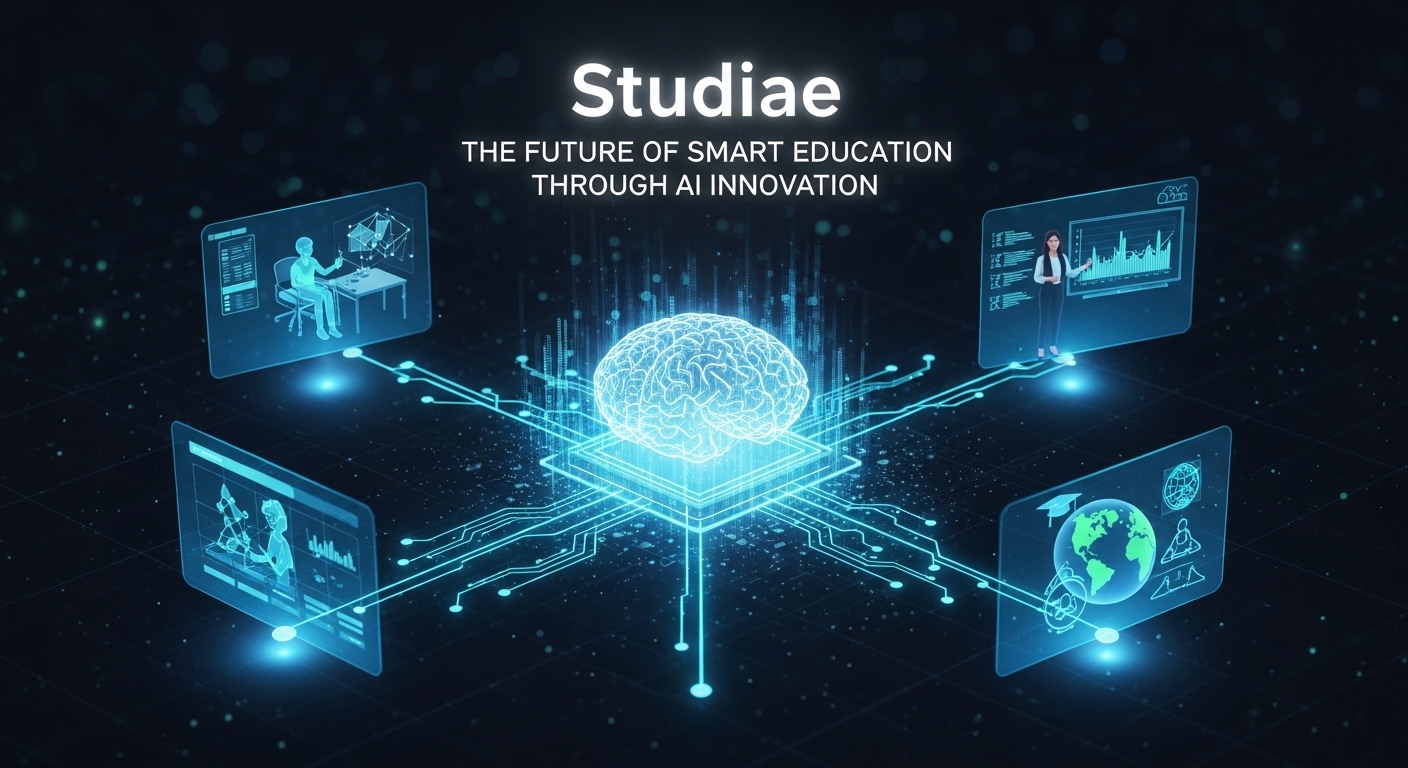
Imagine a classroom where personalized learning is the norm, and every student receives tailored support based on their individual needs. This isn’t a distant dream; it’s rapidly becoming reality with Studiae. By harnessing the power of artificial intelligence, Studiae is transforming education into an adaptive and intuitive experience. Gone are the days when one-size-fits-all approaches stifled creativity and hindered progress. With AI innovation at its core, Studiae offers exciting possibilities that empower both students and educators alike.
As we delve deeper into this revolutionary approach to learning, we’ll explore how AI integration in classrooms can enhance educational outcomes, redefine the role of teachers, tackle potential challenges head-on, and create ethical frameworks for responsible use. The future of smart education through Studiae is bright—and it’s worth exploring further!
Benefits of AI Integration in the Classroom
AI integration in the classroom offers transformative benefits that can enhance learning experiences. Personalized education is one of its most significant advantages. AI tools analyze students’ strengths and weaknesses, tailoring lessons to meet individual needs.
Another benefit is increased efficiency for teachers. Administrative tasks such as grading or attendance tracking can be automated, allowing educators to focus more on teaching rather than paperwork.
Engagement also sees a boost through interactive AI platforms. These systems provide immediate feedback, making it easier for students to grasp complex concepts while keeping them interested in their studies.
Moreover, access to vast resources becomes seamless with AI-driven educational technologies. Students can explore diverse materials that align with their curriculum, fostering a richer understanding of subjects beyond textbooks.
Collaborative learning experiences are enhanced as AI facilitates group projects by matching students based on complementary skills and interests. This not only builds teamwork but also prepares learners for real-world scenarios.
The Role of Teachers in a Studiae-based Education System
In a Studiae-based education system, teachers become facilitators rather than mere transmitters of knowledge. They guide students through personalized learning pathways enabled by AI technology, ensuring that each learner receives tailored support.
With AI handling administrative tasks and data analysis, educators can focus on building strong relationships with their students. This connection fosters trust and encourages an open exchange of ideas in the classroom.
Teachers also play a crucial role in interpreting AI-generated insights. Their expertise helps to translate data into actionable strategies that enhance student engagement and performance.
Moreover, they are pivotal in teaching digital literacy skills, preparing students for a future where technology is ever-present. By integrating empathy and creativity into lessons, teachers ensure that education remains human-centered despite the rise of automation.
Their adaptability will shape the success of Studiae as they navigate new tools while nurturing critical thinking among learners.
Potential Challenges and Solutions for Implementing Studiae
Implementing Studiae in educational settings comes with its own set of challenges. One major concern is the resistance from educators who may feel threatened by AI technologies. Addressing this requires comprehensive training programs that empower teachers to embrace new tools rather than fear them.
Another issue is ensuring equitable access to technology for all students. Schools must prioritize funding and resources to prevent a digital divide that could hinder learning opportunities.
Data privacy also poses significant risks. Clear policies should be established to protect student information while utilizing AI systems effectively.
Integrating AI into existing curricula can be complex. Collaborative efforts among stakeholders—teachers, administrators, and tech developers—can facilitate smoother transitions by promoting adaptable frameworks tailored for specific educational needs.
Case Studies: Successful Implementation of Studiae in Schools
One notable case study involves a progressive school in California that adopted Studiae technology for personalized learning. Teachers utilized AI-driven assessments to tailor lesson plans based on individual student strengths and weaknesses. As a result, engagement soared.
In another instance, a school district in Texas integrated Studiae into its curriculum to enhance STEM education. By employing interactive simulations powered by AI, students grasped complex concepts more effectively. Feedback from educators indicated improved critical thinking skills among pupils.
A private institution in New York took it a step further with blended learning environments featuring Studiae tools. Students collaborated on projects using real-time data analysis provided by the AI system, fostering teamwork and innovation.
These examples illustrate how diverse educational settings are embracing Studiae’s capabilities to enrich the learning experience while addressing specific needs within their communities.
Ethical Considerations Surrounding AI in Education
As AI continues to transform education through platforms like Studiae, ethical considerations come into focus. The use of algorithms can inadvertently perpetuate biases present in the data they are trained on. This raises questions about fairness and equity in student assessments.
Data privacy is another critical concern. Students’ personal information must be protected from misuse or unauthorized access. Institutions need robust policies to ensure that any data collected serves educational purposes while maintaining confidentiality.
Moreover, there’s a risk of over-reliance on technology. While AI can enhance learning experiences, it shouldn’t replace the human touch essential for emotional support and mentorship in education.
Educators must grapple with their role as facilitators rather than mere content deliverers. Balancing tech integration with traditional teaching methods will be crucial for creating an inclusive environment where every student thrives amidst innovation.
Future Possibilities for Studiae and AI Innovation in Education
The future of Studiae is brimming with possibilities. Imagine classrooms where personalized learning experiences adapt in real-time to each student’s needs. Advanced algorithms could analyze student performance and recommend tailored resources, enhancing understanding.
In addition, virtual reality (VR) can immerse learners in subjects like history or science. Rather than reading about ancient civilizations, students could explore them firsthand. This engagement fosters deeper connections with the material.
Collaboration between AI tools and educators will shape curriculum development too. Teachers can access insights from vast data pools to refine their teaching strategies continuously.
Moreover, language barriers may diminish as intelligent translation systems become commonplace in studying diverse languages. This inclusivity opens doors for global collaboration among students from different backgrounds.
As innovation continues, we might see AI-driven mentorship programs that connect learners with experts worldwide—creating networks of knowledge that were previously unimaginable.
Conclusion
As we delve deeper into the world of Studiae, it becomes clear that this innovative approach to education is set to transform learning environments. By integrating AI technology, we can create personalized experiences for students that cater to their unique needs and learning styles. This not only enhances engagement but also fosters a more efficient educational process.
The role of educators in a Studiae-based system remains crucial. Teachers will evolve from traditional instructors into facilitators who guide and support students through their individual journeys. While there are potential challenges with implementation—such as resistance to change or concerns about data privacy—these hurdles present opportunities for growth and adaptation.
Successful case studies demonstrate that when schools embrace the principles of Studiae, they witness remarkable outcomes. Students thrive in settings where lessons are tailored specifically for them, promoting a love for learning that lasts a lifetime.
Ethical considerations surrounding AI in education must be addressed thoughtfully. It’s vital to ensure transparency and fairness in how algorithms influence student experiences. As innovations continue, balancing technological advancement with ethical responsibility will shape the future landscape of education.
Looking ahead, the possibilities within the realm of Studiae are vast and exciting. With ongoing development in AI technologies, we can anticipate even more dynamic interactions between learners and educational tools. The journey toward smarter education has just begun; embracing these changes could lead us all toward a brighter academic future filled with endless opportunities for both teachers and students alike.