
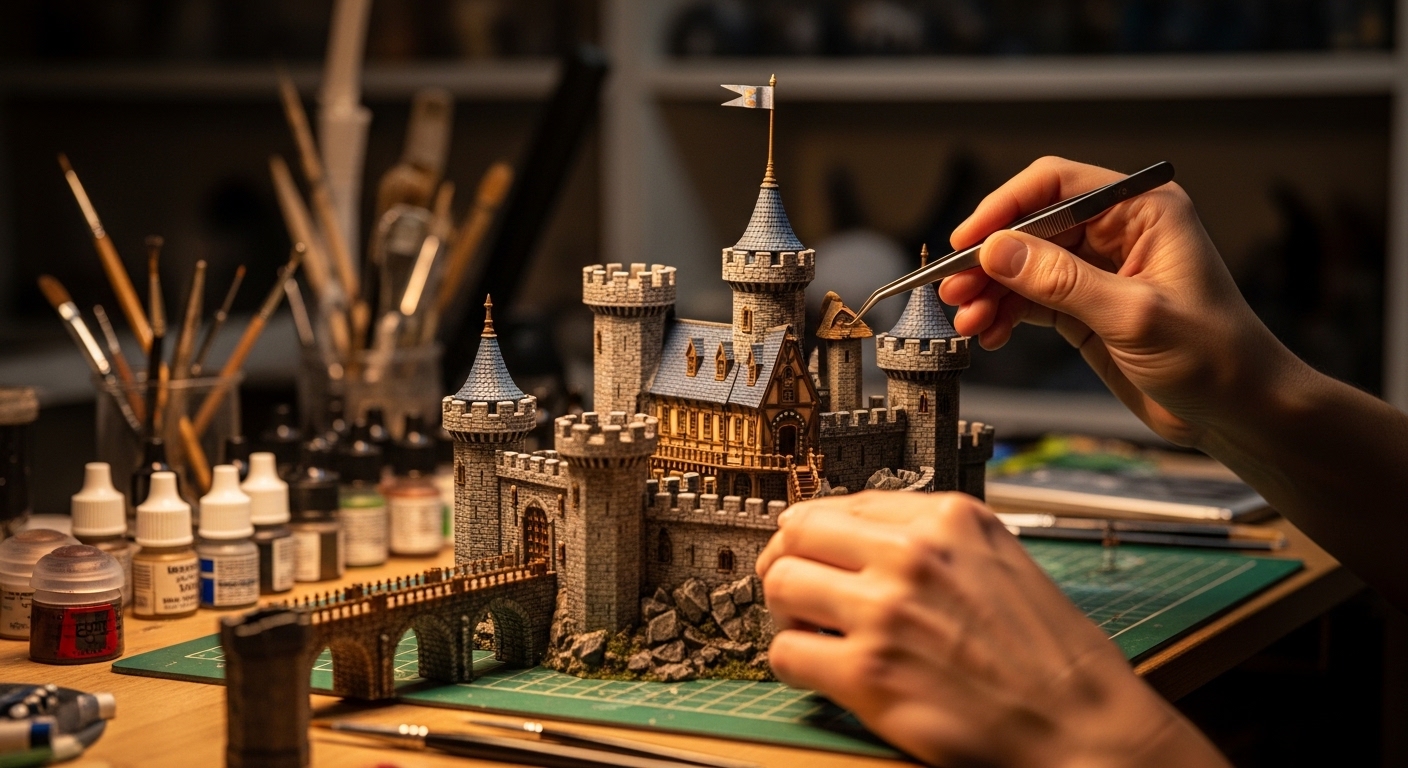
Acamento is more than just a craft; it’s an expression of creativity and passion that has captivated artisans for generations. If you’ve ever marveled at intricate designs or unique home decor pieces, there’s a good chance they were born from the art of Acamento. This enchanting practice blends tradition with innovation, allowing you to transform simple materials into stunning works of art.
Whether you’re a seasoned crafter or a curious beginner, understanding the nuances of Acamento can elevate your projects to new heights. Join us on this journey as we explore its rich history, essential tools, and step-by-step techniques that will help you master this captivating art form. Get ready to unleash your creativity and discover how Acamento can add depth and character to your artistic repertoire!
History and Evolution of Acamento
Acamento has roots that trace back centuries. Originally practiced in various cultures, this craft emerged as a means of artistic expression. Early artisans utilized simple techniques to create functional items imbued with beauty.
As time progressed, the approach evolved significantly. Different regions introduced unique styles and methods influenced by local traditions and available materials. This diversity enriched the art form, making Acamento synonymous with cultural identity.
The industrial revolution brought about new tools and processes for craftsmen. Mass production threatened individual artistry but also spurred a revival of handmade goods. Artisans began focusing on quality over quantity, leading to an appreciation for meticulous craftsmanship.
Today, Acamento stands at the intersection of tradition and innovation. Modern practitioners explore contemporary designs while honoring historical techniques, ensuring that this captivating craft continues to thrive across generations.
Tools and Materials Needed for Acamento
To embark on your Acamento journey, having the right tools and materials is essential. Start with a sturdy work surface; this will be your creative haven.
For shaping and cutting, invest in quality knives and scissors. Precision is key when working with different materials. You’ll also need a variety of adhesives—strong bonding ensures durability for your finished pieces.
Textiles play a significant role in Acamento projects. Gather fabric scraps, threads, or even recycled textiles to add depth to your creations. Don’t forget about embellishments like beads, buttons, or ribbons that can enhance visual appeal.
Keep some protective gear handy—a good pair of gloves and safety goggles can save you from unexpected mishaps while crafting. Each tool has its purpose; choosing wisely sets the stage for artistic success in Acamento projects.
Step-by-Step Guide to Creating an Acamento Piece
Creating an Acamento piece begins with a clear vision. Start by sketching your design. This will guide you through the process and help streamline your work.
Next, gather all necessary materials. Choose high-quality fabrics, threads, and any additional embellishments that suit your style. Good tools make a difference—select sharp scissors, sturdy needles, and a reliable sewing machine if needed.
Begin by cutting your fabric according to the pattern you’ve created. Precision is key here; accurate cuts lead to clean lines in the final product.
Assemble the pieces carefully. Pin them in place before stitching to avoid any shifting during sewing. Take it slow; rushing can lead to mistakes that might mar your effort.
Finish with attention to detail. Iron out creases for a polished look and add any finishing touches like decorative stitches or beads for that unique flair you desire.
Tips and Tricks for a Flawless Finish
Achieving a flawless finish in Acamento requires attention to detail. Start by ensuring your workspace is clean and organized. A clutter-free area helps you focus on your craft.
When mixing materials, follow the recommended ratios closely. This ensures proper consistency, which greatly influences the final look of your piece. Take time to blend everything thoroughly for a uniform texture.
Don’t rush through drying times. Patience here pays off as it prevents bubbling or cracking later on. If you’re using paint or glaze, apply thin coats rather than thick ones; this allows for better control and less chance of drips.
Experiment with different application techniques like sponging or brushing to add unique textures that enhance the visual appeal of your work. Always have sandpaper handy for touch-ups—smooth out any imperfections before moving forward with finishing touches.
Common Mistakes to Avoid in Acamento
One of the most frequent mistakes in acamento is neglecting proper measurements. Precision matters greatly in this craft, and even a slight miscalculation can throw off your entire piece.
Using low-quality materials can also lead to disappointing results. Investing in good tools and supplies ensures that your work lasts longer and looks professional.
Another common pitfall is rushing through the process. Acamento requires patience; taking shortcuts will often result in flaws you’ll regret later.
Not allowing adequate drying time for each layer may seem tempting but leads to cracking and uneven surfaces.
Don’t underestimate the power of practice. Many aspiring artists give up after only a few attempts, forgetting that mastery comes with dedication and repetition. Embrace every mistake as a lesson learned on your journey to creating stunning acamento pieces.
The Importance of Practice and Patience in Mastering Acamento
Mastering Acamento is not merely about skill; it’s a journey that demands both practice and patience. Each piece you create teaches you something new, whether it’s about technique or material behavior.
As you refine your craft, repetition becomes essential. The more time spent experimenting with forms and textures, the closer you’ll get to uncovering your unique style. Mistakes will happen—that’s part of the learning curve.
Patience plays an equally crucial role. Waiting for materials to settle or dry correctly can feel tedious but rushing leads to imperfections. Embrace those moments of stillness as opportunities for growth.
Allow yourself space to evolve without self-judgment. Every artist has their pace, so trust yours as you navigate the intricacies of Acamento. Over time, what once felt challenging will transform into second nature, revealing a deeper love for this beautiful art form.
Using Your Acamento Skills to Create Unique Home Decor
Acamento isn’t just a craft; it’s a way to infuse your personality into home decor. With your skills, the possibilities are endless.
Imagine transforming everyday items into stunning focal points. A simple vase can become an artistic centerpiece with intricate acamento designs.
Textiles also offer immense potential. Create custom wall hangings or throw pillows that reflect your unique style and flair. Each piece tells a story, bringing warmth to any space.
Don’t forget about furniture! Adding acamento elements like embellishments or mixed materials can revitalize old pieces, making them feel fresh and exciting again.
The beauty of using acamento in home decor is its adaptability. Whether you prefer modern minimalism or rustic charm, there’s always room for personal expression through this art form. Your decorating journey becomes not only functional but also deeply creative and fulfilling over time.
The Future of Acamento and Its Growing Pop
The future of Acamento looks bright as it captures the attention of creatives and enthusiasts alike. With its roots steeped in tradition, this art form is evolving into a modern expression of individuality. More people are discovering the joy of crafting unique pieces for their homes or as gifts.
Social media plays a crucial role in this renaissance. Platforms like Instagram and Pinterest allow artists to showcase their work, inspiring others to try their hand at Acamento. As tutorials and workshops become more accessible, we see a surge in interest among younger generations.
Moreover, sustainability is becoming an important focus within the community. Artists are increasingly using eco-friendly materials and techniques that not only enhance their creations but also align with contemporary values surrounding environmental awareness.
As Acamento continues to grow in popularity, expect to see even more innovative designs emerge from passionate crafters across the globe. This resurgence isn’t just about creating beautiful pieces; it’s about fostering connections through shared experiences and artistic expression.
With each passing day, Acamento solidifies its place not only as an art form but also as a unique way for individuals to express themselves while contributing positively to their communities. The journey ahead promises exciting developments that will enrich both creators and admirers alike.