
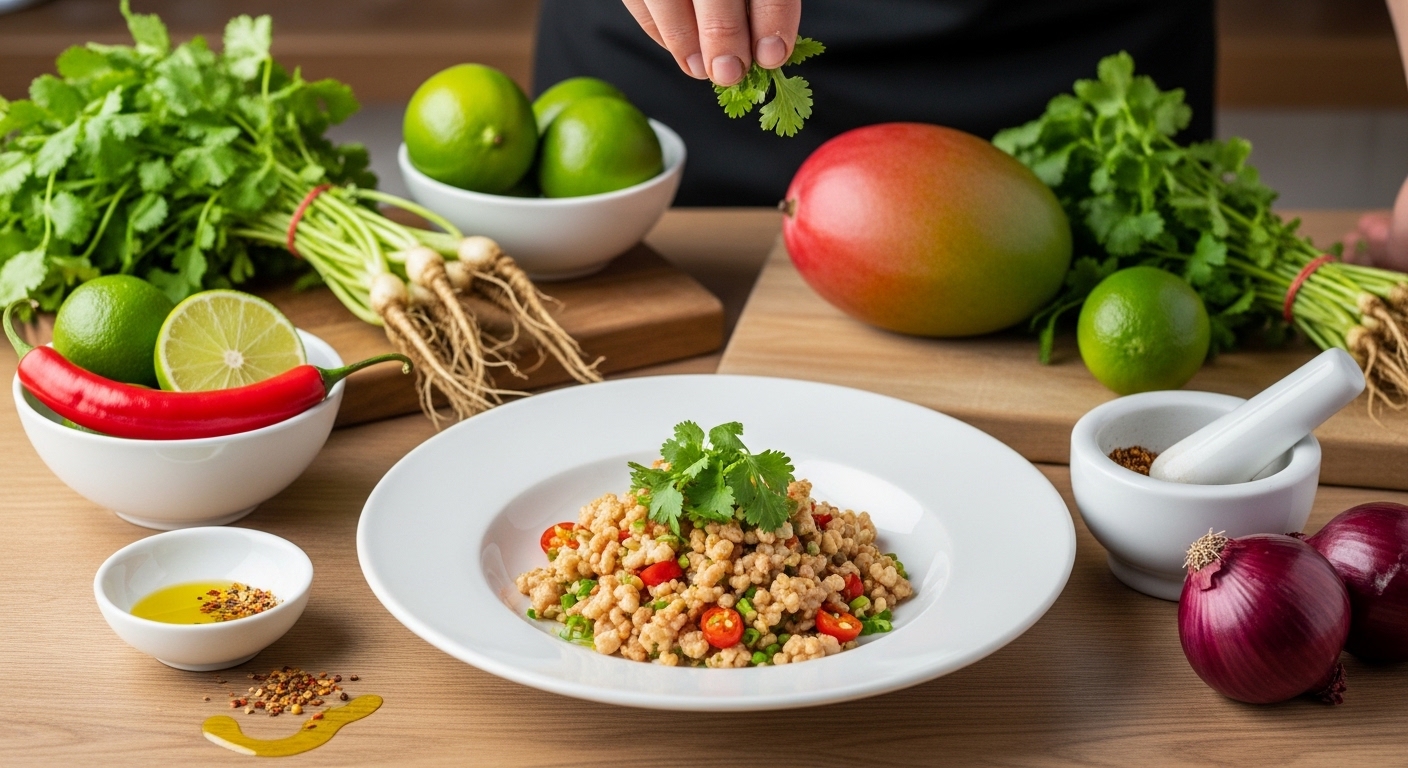
Koriandri, commonly known as coriander or cilantro, is more than just a garnish on your plate. This aromatic herb has woven its way into the fabric of culinary traditions across the globe, captivating taste buds and adding depth to countless dishes. Whether you’re an adventurous foodie or someone who enjoys familiar flavors, Koriandri offers a unique taste that can elevate any meal.
But what makes this herb so special? Beyond its distinctive flavor profile and vibrant green hue lies a world brimming with history, cultural significance, and nutritional benefits. Join us on this delightful journey as we explore Koriandri in all its glory—its rich heritage, versatility in cooking, health perks, and ways to incorporate it into your daily meals. Get ready to unlock the full potential of this extraordinary ingredient!
A Brief History of Koriandri in Different Cultures
Koriandri, known as coriander in many parts of the world, boasts a rich history that spans several cultures. Its origins trace back to ancient Egypt, where it was used both for flavor and as an embalming agent. This herb graced tombs and culinary dishes alike.
In India, koriandri has been a staple for over 5,000 years. It finds its way into curries and chutneys, celebrated not just for taste but also for its medicinal properties.
Greek cuisine embraced this aromatic herb too. The Romans adored it so much that they introduced it throughout their empire.
From Middle Eastern spice blends to Southeast Asian street food, koriandri transcends borders. Each culture adds its unique twist while honoring this humble yet vibrant ingredient’s legacy through generations.
Nutritional Benefits of Koriandri
Koriandri, also known as coriander or cilantro, is more than just a flavorful herb. It packs a nutritional punch that can benefit your health in various ways.
Rich in vitamins A, C, and K, koriandri supports immune function and promotes healthy skin. The antioxidants present help combat oxidative stress, protecting cells from damage.
This herb is also a source of essential minerals like potassium and magnesium. These nutrients play a vital role in maintaining heart health by regulating blood pressure levels.
Additionally, koriandri may aid digestion. Its natural compounds can help soothe the digestive tract and alleviate bloating or discomfort after meals.
Including this versatile herb in your diet not only enhances flavor but adds significant nutritional value to your dishes.
Culinary Uses of Koriandri in Different Dishes
Koriandri, also known as coriander, adds a unique flavor to countless dishes around the globe. In Indian cuisine, it shines in curries and chutneys, enhancing their taste with its aromatic profile.
In Mexican fare, koriandri is essential for salsas and guacamole. Its bright notes complement tomatoes and avocados beautifully. The herb brings freshness to these beloved recipes.
Middle Eastern dishes also embrace koriandri wholeheartedly. It appears in tabbouleh salad or alongside grilled meats, providing a vibrant contrast that tantalizes the palate.
Asian cooking features koriandri prominently too. Think of pho or Thai curry; this herb elevates both with its refreshing zest.
Whether used fresh or dried, koriandri’s versatility knows no bounds. It’s a staple that can transform an ordinary dish into something extraordinary without effort.
Exploring the Versatility of Koriandri in Cooking
Koriandri, also known as cilantro or coriander, is a culinary gem that thrives in diverse cuisines. Its fresh leaves and seeds bring unique flavor profiles to dishes around the globe.
In Asian cooking, koriandri adds brightness to curries and stir-fries. The herb’s zest balances spice while enhancing aromas. In Latin American cuisine, it finds its home in salsas and guacamole, offering a refreshing twist.
Baking might seem an odd choice for koriandri at first glance. Yet incorporating ground coriander seeds into bread or pastries infuses warmth and depth.
Dressings and marinades benefit greatly from this herb too. A handful of chopped leaves can transform simple vinaigrettes into vibrant creations worthy of drizzling over salads or grilled meats.
Whether you’re experimenting with traditional recipes or creating new ones, koriandri proves itself an essential ingredient that elevates any dish effortlessly.
Tips for Growing and Storing Koriandri at Home
Growing koriandri at home can be both rewarding and easy. Start with good-quality seeds. They thrive in well-drained soil with plenty of sunlight.
Plant them indoors or outdoors, ensuring they receive six hours of light daily. Keep the soil moist but not waterlogged to encourage healthy growth.
For optimal flavor, harvest leaves before the plant flowers. Use scissors for a clean cut and avoid damaging surrounding stems.
When it comes to storage, fresh koriandri is best kept in a damp paper towel inside a sealed bag in the refrigerator. This method preserves its vibrant taste for up to two weeks.
Alternatively, you can freeze chopped koriandri in ice cube trays filled with water or oil. Once frozen, transfer cubes to a freezer-safe container for long-lasting use throughout the year.
Unique Recipes Using Koriandri
Koriandri, or coriander, brings a fresh burst of flavor to various dishes. One unique recipe is Koriandri pesto. Blend fresh koriandri leaves with garlic, nuts, olive oil, and Parmesan for a vibrant twist on the classic basil version.
How about Koriandri-infused rice? Cook basmati rice and stir in chopped koriandri along with lime juice and zest for an aromatic side that pairs wonderfully with grilled meats.
For those craving something sweet, try Koriandri chutney. Combine chopped coriander with mangoes, green chili peppers, and a dash of sugar. This tangy condiment elevates any dish it touches.
Consider adding koriandri to your morning smoothie. Blend spinach, banana, yogurt, and a handful of freshly chopped coriander for an energizing start to your day. Each recipe showcases the herb’s versatility while highlighting its refreshing taste.
Incorporating Koriandri into Your Daily Diet
Koriandri, also known as coriander or cilantro, is a remarkable herb that can elevate your meals in numerous ways. This fragrant herb not only enhances the flavor of dishes but also contributes valuable nutrients to your diet.
Incorporating Koriandri into your daily meals is simple and rewarding. Start by adding chopped fresh leaves to salads for a burst of flavor and freshness. It pairs well with tomatoes, cucumbers, and avocados. You can stir it into soups or stews right before serving to infuse them with its aromatic essence.
For those who enjoy cooking grains, sprinkle some Koriandri on rice or quinoa during the final stages of cooking. This addition transforms plain sides into culinary delights. If you love tacos or wraps, don’t forget to top them off with this vibrant herb—its zesty notes complement various fillings beautifully.
Smoothies are another excellent way to enjoy Koriandri’s health benefits without altering their taste significantly. Blend a handful along with fruits like pineapple or mango for an invigorating drink that nourishes both body and soul.
Want something more adventurous? Consider making homemade pesto using Koriandri instead of basil for an exciting twist on a classic sauce. It’s delicious tossed through pasta dishes or drizzled over grilled vegetables.
With so many options available, integrating Koriandri into your everyday meals will undoubtedly enhance your dining experience while providing essential nutrients that support overall health. Embrace this versatile herb in all its forms; from fresh leaves to seeds (coriander) used as spices—they each bring something unique to the table!