
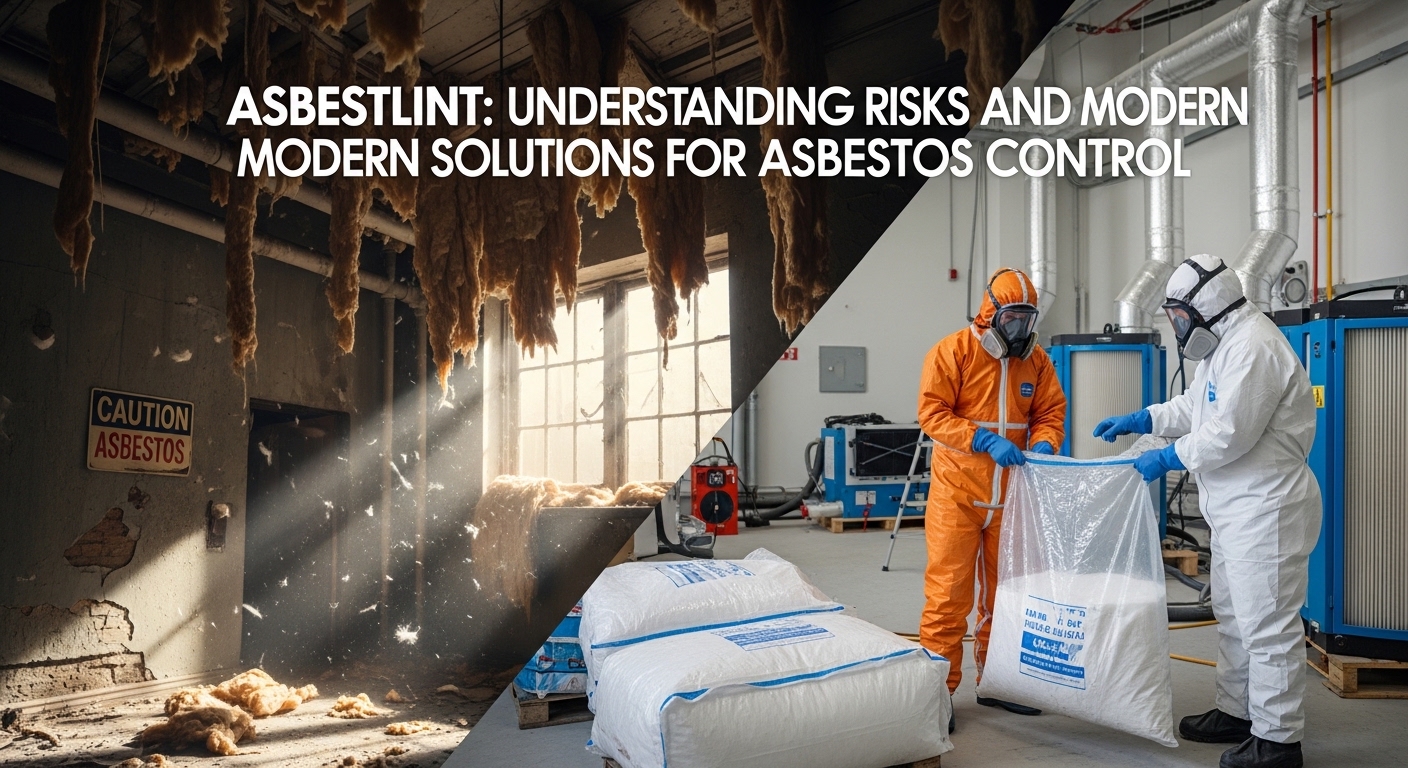
Asbestos has long been recognized as a serious health hazard, yet it continues to pose challenges in construction, industry, and environmental management. Asbestlint is a term that has emerged to describe innovative approaches, awareness campaigns, and safety solutions related to asbestos monitoring, removal, and control. This article explores the risks associated with asbestos exposure, modern methods for managing asbestos safely, and how Asbestlint is shaping safer practices for businesses, workers, and communities.
Understanding Asbestos and Its Risks
Asbestos is a group of naturally occurring fibrous minerals widely used in building materials, insulation, and industrial products throughout the 20th century. Its strength, heat resistance, and insulating properties made it highly valuable in construction and manufacturing. However, scientific studies have confirmed that prolonged exposure to asbestos fibers can lead to serious health issues, including:
- Asbestosis: A chronic lung disease caused by inhaling asbestos fibers, leading to scarring of lung tissue.
- Mesothelioma: A rare but aggressive cancer affecting the lining of the lungs, abdomen, or heart.
- Lung Cancer: Exposure to asbestos increases the risk of lung cancer, especially among smokers.
- Other Respiratory Issues: Chronic bronchitis, pleural plaques, and other lung disorders may also develop.
The dangers of asbestos are particularly significant because its fibers are microscopic and easily airborne. Even small amounts of inhalation over time can cause severe health problems.
The Importance of Awareness
Effective asbestos management begins with awareness. Many older buildings, particularly those constructed before the 1980s, may contain asbestos in walls, roofs, flooring, insulation, and piping. Workers in construction, demolition, renovation, and industrial maintenance are at higher risk if asbestos is not properly identified and handled.
Public and worker education is critical. Training programs, safety protocols, and community outreach initiatives help ensure that individuals understand the risks and take necessary precautions. This is where Asbestlint initiatives play a key role, promoting knowledge-sharing and compliance with safety standards.
Regulatory Framework and Safety Standards
Governments around the world have implemented regulations to control asbestos exposure and ensure workplace safety. Key measures include:
- Asbestos Bans and Restrictions: Many countries have banned or heavily restricted the use of asbestos in construction and manufacturing.
- Occupational Safety Regulations: Safety agencies require employers to monitor asbestos exposure, provide protective equipment, and conduct health surveillance.
- Environmental Regulations: Proper disposal and containment of asbestos-containing materials are legally mandated to prevent environmental contamination.
Compliance with these regulations is not only a legal obligation but also a crucial step in safeguarding public health. Asbestlint programs often focus on helping businesses and institutions adhere to these standards efficiently.
Modern Methods for Asbestos Detection
Identifying asbestos in buildings and products is a critical first step in safe management. Traditional visual inspection alone is insufficient, as asbestos fibers are not visible to the naked eye. Modern methods include:
- Sampling and Laboratory Analysis: Small material samples are collected and analyzed in certified laboratories to confirm the presence of asbestos.
- Air Monitoring: Specialized equipment measures airborne asbestos fibers in workplaces or construction sites.
- Infrared and X-ray Techniques: Advanced imaging technologies can detect asbestos-containing materials without extensive disruption to structures.
These methods allow for accurate identification, enabling safe removal, containment, or management strategies to be implemented.
Asbestos Removal and Containment
Once asbestos is identified, the next step is controlled removal or containment. Safety protocols are essential to prevent fiber release and protect workers and occupants. Modern solutions include:
- Encapsulation: Applying sealants to asbestos-containing materials to prevent fibers from becoming airborne.
- Enclosure: Constructing physical barriers around asbestos to isolate it from people and air circulation.
- Professional Removal: Certified contractors use specialized equipment, protective gear, and vacuum systems with HEPA filters to safely remove asbestos.
- Safe Disposal: Asbestos waste must be transported and disposed of according to strict environmental regulations to prevent contamination.
Asbestlint emphasizes standardized procedures and technological innovation to make these processes safer and more efficient.
Personal Protective Equipment (PPE)
Worker safety is paramount during asbestos management. Personal protective equipment is essential and includes:
- Respirators with HEPA filters
- Disposable coveralls
- Gloves and protective footwear
- Eye protection
Proper training in PPE usage, decontamination, and emergency protocols ensures that exposure is minimized.
Technological Innovations in Asbestos Control
Recent years have seen significant technological advancements in asbestos detection and removal:
- Robotics and Remote Handling: Robots can safely remove asbestos from confined or hazardous areas, reducing human exposure.
- Digital Monitoring Systems: Real-time air quality sensors help track fiber concentrations and alert workers to unsafe conditions.
- Non-Destructive Testing: Techniques such as portable X-ray fluorescence allow asbestos identification without demolishing structures.
These innovations are central to Asbestlint strategies, improving efficiency, safety, and compliance with modern standards.
Training and Certification Programs
Effective asbestos control requires skilled professionals. Asbestlint initiatives often include training programs and certifications that cover:
- Identification and risk assessment
- Safe removal procedures
- Use of PPE and safety equipment
- Regulatory compliance
- Environmental management
Certified professionals help businesses and communities implement best practices, reducing health risks and legal liabilities.
Community Awareness and Public Health
Asbestos is not only a workplace hazard but also a community concern. Older public buildings, schools, and residential areas may still contain asbestos. Awareness campaigns and educational initiatives help communities understand risks, identify potential hazards, and take preventative measures.
Asbestlint focuses on promoting community engagement, offering resources such as:
- Public seminars and workshops
- Informational websites and digital guides
- Helplines for reporting suspected asbestos
- Collaboration with local authorities for safe inspections
These efforts ensure that asbestos management is proactive rather than reactive, safeguarding public health on a broader scale.
Environmental Considerations
Improper handling of asbestos can result in environmental contamination, affecting soil, water, and air quality. Asbestlint promotes environmentally responsible practices, including:
- Safe storage of asbestos-containing materials before disposal
- Use of containment systems during removal to prevent fiber release
- Compliance with hazardous waste disposal regulations
- Remediation of contaminated sites using approved methods
By addressing environmental risks, Asbestlint helps protect ecosystems while managing health hazards.
Challenges in Asbestos Management
Despite advancements, several challenges remain in asbestos control:
- Legacy Buildings: Many structures built before asbestos regulations contain hazardous materials, complicating renovation and demolition projects.
- Illegal Handling: Untrained or unauthorized contractors may attempt unsafe removal, increasing exposure risks.
- Global Disparities: Regulations and enforcement vary widely between countries, leading to inconsistent safety practices.
- Rising Costs: Professional removal and monitoring services can be expensive, especially for large-scale projects.
Addressing these challenges requires collaboration between governments, businesses, professionals, and communities, with Asbestlint serving as a framework for effective solutions.
The Role of Policy and Legislation
Government policies and legislation are essential for controlling asbestos risks. Effective regulations include:
- Mandatory asbestos inspections in older buildings
- Licensing for removal contractors
- Standards for worker safety and training
- Guidelines for disposal and environmental protection
Asbestlint initiatives support compliance by providing guidance, training, and tools to meet regulatory requirements.
Future Trends in Asbestos Control
The field of asbestos management is evolving, with future trends likely to include:
- Increased Use of AI and Robotics: Automating inspections and removal to reduce human exposure.
- Enhanced Digital Monitoring: IoT-enabled sensors for real-time detection of asbestos fibers.
- Sustainable Removal Practices: Eco-friendly solutions for disposal and containment.
- Global Awareness Campaigns: Expanding Asbestlint-style programs to underregulated regions.
These trends indicate a growing emphasis on technology, safety, and environmental responsibility in asbestos management.
Conclusion
Asbestos remains a serious global health and environmental concern, but modern solutions are making its management safer and more effective. Asbestlint embodies this approach by promoting awareness, innovative technologies, strict safety protocols, and regulatory compliance.
From detection and removal to worker training and public education, Asbestlint strategies provide a comprehensive framework for mitigating risks. The integration of AI, robotics, and advanced monitoring systems further enhances safety and efficiency.
For businesses, workers, and communities, adhering to Asbestlint principles ensures reduced exposure, legal compliance, and protection of public health. By combining knowledge, technology, and proactive management, we can address the challenges of asbestos safely and responsibly, creating healthier environments for everyone.