
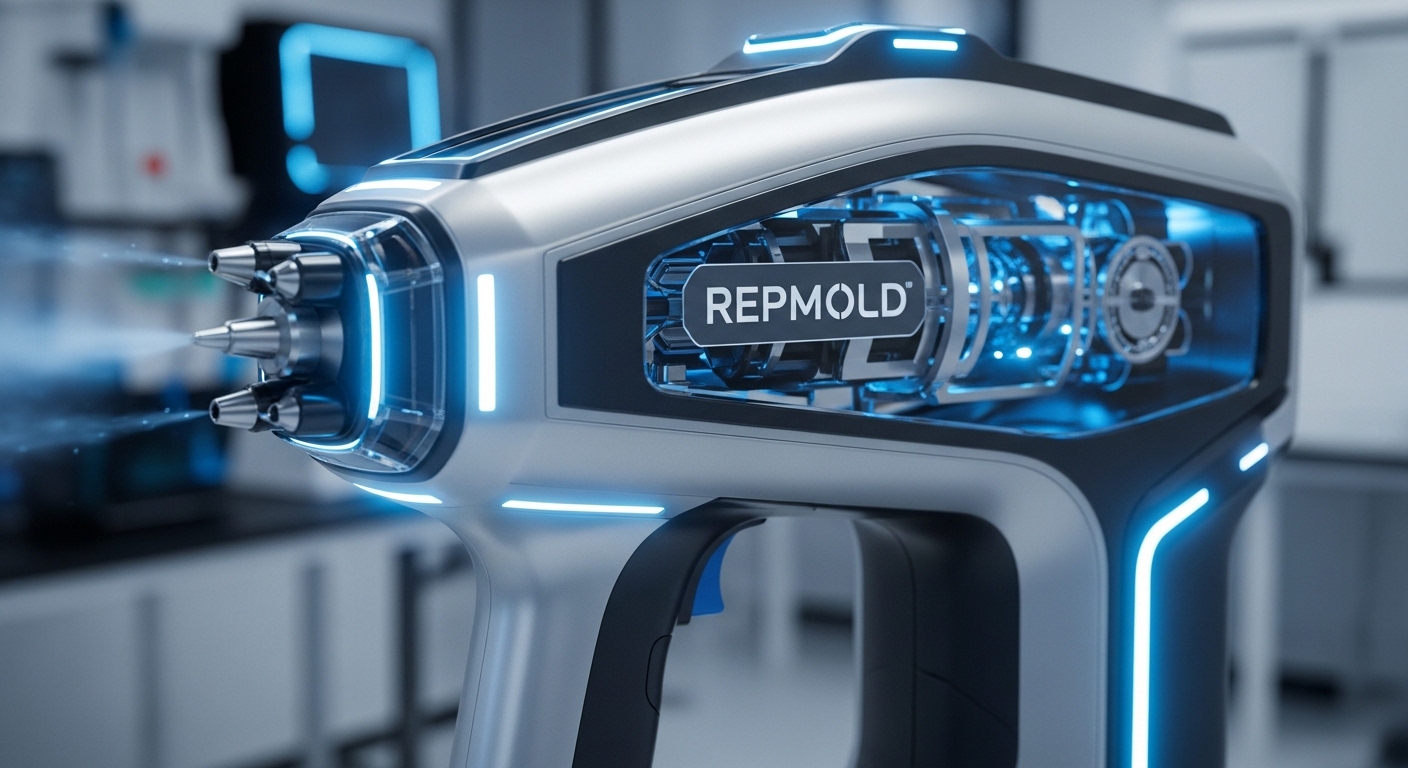
Mold growth is one of the most common problems affecting homes, offices, and commercial buildings around the world. It often develops in areas with high humidity, poor ventilation, or water damage, creating not only structural issues but also serious health risks. Traditional mold removal methods sometimes provide only temporary solutions, allowing mold to return if the underlying causes are not addressed. This challenge has led to the development of advanced solutions such as Repmold, an innovative technology designed to effectively remove mold and restore healthy indoor environments.
Repmold represents a modern approach to mold detection, removal, and long-term prevention. By combining advanced tools, specialized treatments, and restoration techniques, Repmold offers a comprehensive solution that goes beyond simple cleaning. Instead, it focuses on eliminating mold at its source while improving building safety and indoor air quality.
This article explores what Repmold is, how it works, its key technologies, benefits, and why it is becoming an essential solution for effective mold remediation and building restoration.
Understanding Mold and Its Impact
Mold is a type of fungus that grows in damp environments. It reproduces through microscopic spores that travel through the air and settle on surfaces where moisture is present. When these spores find the right conditions—such as warmth, humidity, and organic material—they begin to grow and spread rapidly.
Mold commonly appears in places such as:
-
Bathrooms and kitchens
-
Basements and crawl spaces
-
Areas affected by water leaks
-
Air conditioning systems
-
Damp walls and ceilings
While small patches of mold may seem harmless, extensive growth can cause serious problems. Mold can damage building materials such as wood, drywall, insulation, and carpets. Over time, this damage weakens the structure of the building and increases repair costs.
In addition to structural damage, mold can also impact human health. Exposure to mold spores may lead to allergic reactions, respiratory issues, headaches, and irritation of the eyes or skin. People with asthma or weakened immune systems may experience more severe symptoms.
Because of these risks, effective mold removal and prevention are critical for maintaining safe and healthy living spaces.
What Is Repmold?
Repmold is a modern mold remediation system designed to detect, remove, and prevent mold growth in residential and commercial buildings. Unlike traditional cleaning methods that simply remove visible mold, Repmold focuses on addressing the root causes of mold growth.
The concept behind Repmold involves a combination of advanced technologies, including:
-
Mold detection tools
-
Specialized cleaning and treatment solutions
-
Moisture control systems
-
Restoration techniques
By integrating these elements, Repmold creates a comprehensive approach to mold management. The goal is not only to remove mold but also to restore damaged areas and prevent future outbreaks.
This innovative system is used by professionals in construction, environmental safety, property management, and restoration services.
How Repmold Technology Works
Repmold uses a multi-step process to ensure effective mold remediation and long-term protection. Each stage focuses on a specific aspect of mold control.
1. Mold Detection and Assessment
The first step in the Repmold process is identifying the presence and extent of mold growth. Advanced detection tools help professionals locate mold even in hidden areas such as behind walls or under flooring.
Common detection methods include:
-
Moisture meters to identify damp areas
-
Infrared cameras to detect water damage
-
Air quality testing to measure mold spores
-
Surface sampling for laboratory analysis
This detailed assessment helps determine the severity of the problem and guides the next steps in the remediation process.
2. Containment and Safety Measures
Before mold removal begins, the affected area must be contained to prevent spores from spreading to other parts of the building.
Containment methods may include:
-
Plastic barriers to isolate the area
-
Negative air pressure systems
-
High-efficiency air filtration devices
-
Protective equipment for technicians
These safety measures ensure that mold removal can be performed without contaminating other spaces.
3. Advanced Mold Removal Techniques
Once the area is secured, Repmold technology uses specialized cleaning methods to remove mold from surfaces and materials.
These methods may involve:
-
Antimicrobial treatments that kill mold spores
-
HEPA vacuum systems to remove contaminated particles
-
Eco-friendly cleaning solutions
-
Safe removal of heavily damaged materials
Unlike traditional methods that rely only on surface cleaning, Repmold targets mold colonies at a deeper level.
4. Moisture Control and Prevention
Since moisture is the primary cause of mold growth, controlling humidity and water sources is essential. Repmold technology includes solutions that address these environmental conditions.
Examples include:
-
Repairing leaks or water damage
-
Improving ventilation systems
-
Installing dehumidifiers
-
Sealing building materials to prevent moisture penetration
By eliminating excess moisture, Repmold helps prevent mold from returning.
5. Restoration and Structural Repair
After mold removal and moisture control, the final step involves restoring the affected area. Mold damage can weaken walls, ceilings, floors, and insulation, so repairs may be necessary.
Restoration activities may include:
-
Replacing damaged drywall or wood
-
Repainting and sealing surfaces
-
Repairing flooring or carpets
-
Rebuilding affected structures
This stage ensures that the building returns to a safe and functional condition.
Key Features of Repmold Technology
Repmold stands out from traditional mold removal methods because of several advanced features.
Comprehensive Mold Management
Instead of focusing only on visible mold, Repmold addresses hidden contamination and environmental factors.
Advanced Detection Tools
Modern technology allows professionals to identify mold growth in areas that are difficult to access.
Eco-Friendly Treatments
Many Repmold solutions use environmentally friendly cleaning products that are safe for people and pets.
Long-Term Prevention
By controlling moisture and improving ventilation, Repmold helps prevent future mold outbreaks.
Professional Restoration
The system includes structural repair and restoration to ensure that buildings remain safe and durable.
Benefits of Using Repmold
Repmold provides numerous advantages for homeowners, businesses, and property managers.
Improved Indoor Air Quality
Removing mold spores from indoor spaces improves air quality and reduces health risks.
Health Protection
Effective mold remediation helps protect residents from respiratory problems and allergic reactions.
Structural Preservation
By repairing mold damage early, Repmold helps prevent costly structural repairs in the future.
Increased Property Value
Properties that are free from mold issues are more attractive to buyers and tenants.
Peace of Mind
Knowing that mold problems have been professionally addressed provides long-term confidence and comfort.
Applications of Repmold
Repmold technology can be used in a variety of environments.
Residential Homes
Homeowners often use mold remediation services after water damage, flooding, or persistent humidity problems.
Commercial Buildings
Offices, hotels, and retail spaces must maintain safe indoor environments for employees and customers.
Healthcare Facilities
Hospitals and clinics require strict environmental control to prevent contamination.
Educational Institutions
Schools and universities use mold prevention strategies to protect students and staff.
Industrial Facilities
Factories and warehouses may face mold issues due to humidity and water exposure.
The Importance of Early Mold Detection
One of the most effective ways to manage mold problems is early detection. Small mold issues can quickly become major infestations if left untreated.
Signs that mold may be present include:
-
Musty odors
-
Discolored walls or ceilings
-
Peeling paint
-
Increased allergy symptoms
-
Persistent dampness
When these signs appear, professional inspection and remediation are recommended.
Future Innovations in Mold Remediation
As technology continues to evolve, mold remediation systems like Repmold are likely to become even more advanced.
Future developments may include:
-
Smart sensors for real-time mold detection
-
AI-based building monitoring systems
-
Improved antimicrobial coatings
-
More sustainable and eco-friendly cleaning solutions
These innovations will help make mold management more efficient and accessible.
Conclusion
Mold is a serious issue that can affect both the structural integrity of buildings and the health of occupants. Traditional mold removal methods often fail to address the root causes of mold growth, leading to recurring problems.
Repmold offers a modern and comprehensive solution for mold detection, removal, and restoration. By combining advanced technologies, moisture control strategies, and professional repair techniques, Repmold ensures effective remediation and long-term prevention.
From residential homes to commercial buildings, this innovative approach helps create safer and healthier indoor environments. As awareness of indoor air quality and environmental health continues to grow, solutions like Repmold will play an increasingly important role in protecting buildings and the people who live and work in them.